
Bangladesh Bans IPL Broadcast Bangladesh I&B Ministry
The decision to halt IPL broadcasts in Bangladesh, taken in the wake of Mustafizur Rahman’s exclusion from the league, looks dramatic on the surface. But its true significance lies deeper than outrage or symbolism.
This is not merely a reaction to one player’s treatment or one tournament’s broadcast rights; it is a moment that exposes how modern cricket increasingly functions as an extension of governance, identity, and leverage rather than a self-contained sporting ecosystem.
Placed in the broader cricketing landscape, this episode reflects a pattern that has become more visible over the last decade. Boards and governments are no longer content with cricket operating in a diplomatic vacuum.
Whether it is scheduling, venues, player releases, or broadcast access, administrative authority is now routinely used to assert national positions. In that sense, the IPL broadcast ban is less an anomaly and more a continuation of how cricket power is exercised when bilateral trust erodes.
At the heart of the issue is the transformation of player availability into a political and strategic instrument. Mustafizur Rahman’s absence from the IPL is not just about a fast bowler missing franchise cricket; it represents a breakdown in the assumed separation between domestic leagues and international relations.
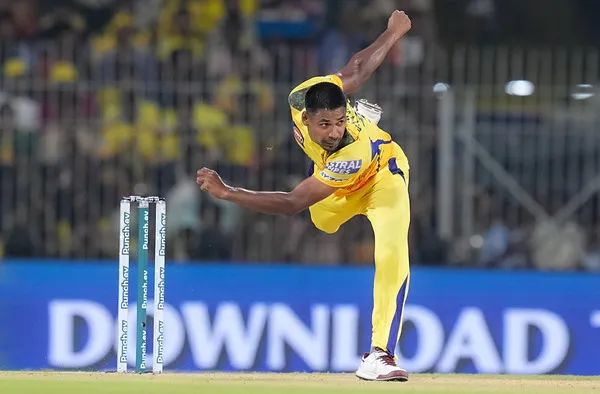
For Bangladesh, restricting access sends a message of self-protection and institutional dignity. For the player, however, it narrows exposure to elite competition that sharpens skills under pressure experience that often feeds directly into international performance. This tension between safeguarding national interests and enabling individual development is one that boards across the world increasingly struggle to balance.
The broadcast ban itself reveals another layer of this conflict. Television rights are among the most powerful tools in modern cricket, shaping fan engagement, revenue flows, and soft power. By targeting broadcasts rather than fixtures, Bangladesh signals that cultural and commercial influence is as valuable as on-field participation.
Yet such moves carry long-term risks. Fans are the silent stakeholders in these decisions, and prolonged disruption to access can quietly erode domestic engagement with the sport rather than strengthen it.
The implications extend naturally to tournament preparation and strategic planning. With the T20 World Cup looming, the possibility of venue changes or altered travel plans introduces uncertainty that no team welcomes.
Playing in India presents specific competitive challenges crowd intensity, surface variation, and logistical compression that cannot be fully replicated elsewhere. Opting out may reduce perceived risk, but it also removes a critical rehearsal environment.
Teams that succeed at global tournaments often do so because they confront discomfort early, not because they avoid it.
Leadership and institutional decision-making sit at the center of this moment. The Bangladesh Cricket Board, backed by governmental authority, has chosen a posture of firmness over flexibility.
From an administrative standpoint, that clarity can appear decisive. From a cricketing perspective, it sets a precedent where off-field tensions dictate on-field readiness.
That precedent matters, not just for this tournament cycle but for how future disputes are navigated with bodies like the International Cricket Council and the Board of Control for Cricket in India.
Why this matters now is simple but uncomfortable. Global cricket is entering an era where international tournaments, domestic leagues like the Indian Premier League, and national boards are more tightly interwoven than ever.
Decisions made in response to short-term crises can reshape competitive pathways, player careers, and institutional relationships for years.
With major events approaching and geopolitical sensitivities unlikely to ease, these choices will be tested quickly and publicly.
Ultimately, this episode forces a broader question that goes beyond Bangladesh or the IPL. How far can boards use control as a shield before it becomes a constraint on competitive growth?
Cricket has always reflected the societies that play it, but when governance begins to outweigh preparation, the cost is often paid later on the field, under pressure, when margins are thin and adaptability matters most.

Rivcky John
A prominent figure in sports journalism for the last two decades. Cricket Analyst & Writing News, Features, Match Previews/Reviews/Reports, And Opinion Pieces on Cricket. You can connect with him on Facebook also.